Lower Back Pain
Pain in the lumbar region, often from muscle strain, posture, or structural issues.
Back Pain Specialist
Whether it is lower back pain, sciatica, a disc problem, or pain that has lasted for months, our specialist team will find out what is causing it and build a treatment plan around you. Pain in the back that you cannot sleep through is common. We look at pain management, not a generic programme.
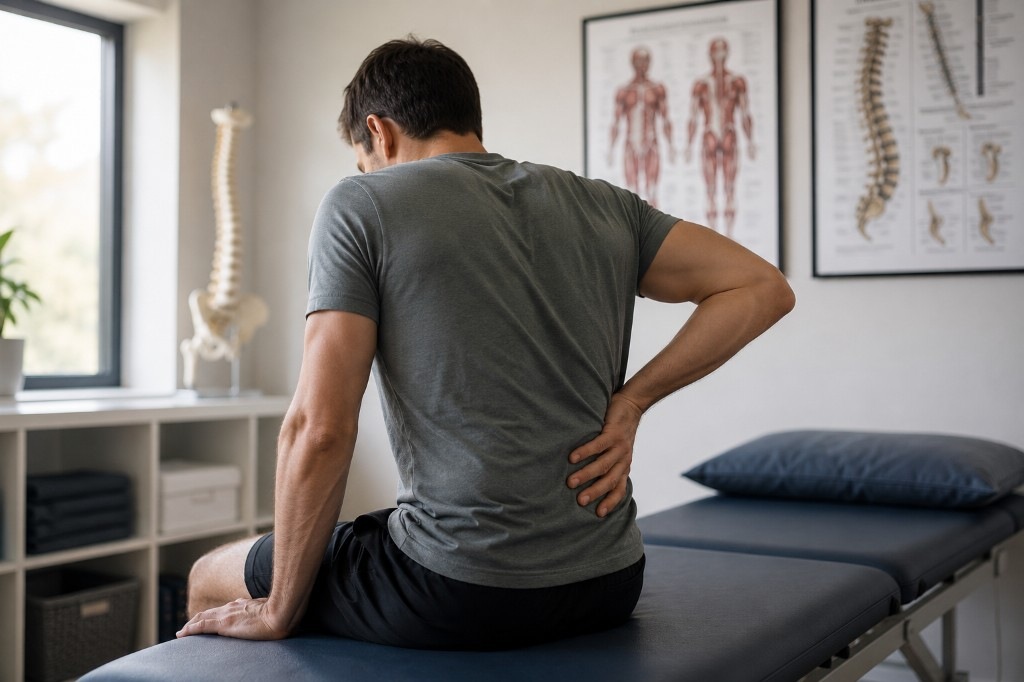
Back pain is one of the most common reasons people visit a pain clinic. It can affect the upper, middle, or lower back and may be linked to muscles, discs, nerves, or posture. Low back pain is the leading cause of disability worldwide, affecting 619 million+ people globally.
Source: World Health Organisation
Help is available, and you do not have to manage this on your own.
Symptoms
We treat a wide range of back pain conditions using minimally invasive, non-surgical approaches wherever appropriate. Here are some of the conditions we see most often.
Pain in the lumbar region, often from muscle strain, posture, or structural issues.
Pain from the small joints at the back of the spine, often worse with standing or leaning backwards. See facet joint pain.
Sharp or shooting pain from the lower back down the leg when a nerve root is compressed. This is lumbar radiculopathy. See pinched nerve / radiculopathy.
When a spinal disc bulges or ruptures and presses on nearby nerves.
Age-related wear of spinal discs, common from middle age onwards.
Injuries from sport, gym, or repetitive movement affecting the spine or muscles.
Back pain lasting more than 3 months that needs a longer-term management plan.
Causes
They are related but not the same. Here is how to tell them apart. Not sure which one you have? We can help figure that out during your consultation.
Dull ache or stiffness.
Usually improves with movement.
Caused by nerve compression.
Usually one side only.
Poor posture and nerve compression can all cause back pain.
Specialist assessment, targeted injections, medication review, and rehabilitation.
Treatments
The right treatment depends on what is causing your back pain. We focus on non-surgical options first.
Explore TreatmentsInjections to reduce inflammation and pain in the spine, nerves, or joints when other treatments are not enough.
We review what you are taking to make sure it is working properly and adjust where needed.
Structured exercise guidance to strengthen your back and reduce the chance of pain returning.
How it works
Getting started is straightforward.
If you know the type of pain you're experiencing, you can request an appointment online or give us a call - it only takes a couple of minutes. If you're unsure where to start, please give us a call. Our team will be happy to listen, answer your questions, and help guide you toward the most appropriate next step.
Your consultation will usually last 30–45 minutes with one of our experienced pain specialists. This gives your doctor time to understand your symptoms, review your medical history, discuss any previous treatments, and consider the most appropriate next steps for you. The consultation fee is €350, payable on the day of your appointment.
We'll create an individual, tailored pain management plan based on your needs. This may include a combination of treatments, procedures, or infusions, with review appointments to monitor your progress and ongoing care from our experienced pain specialists.
Common questions
A GP referral is required for insurance cover of any treatments or procedures. If you are self-paying, a GP referral may not be required. Please bring any relevant medical information, reports, scans, or medication details to your appointment. Our current waiting time is typically 1–2 weeks.
We accept all the major insurers. We recommend checking with your insurer to confirm what is covered under your specific policy.
Usually within 1 to 2 weeks. If it is urgent, let us know and we will try to fit you in sooner.
Your first visit lasts about 30 to 45 minutes. The specialist will go through your medical history, carry out an examination, and discuss your symptoms with you. From there, we create a tailored pain management plan designed around your case.
Most back pain does not require surgery. Our specialists focus on non-surgical treatments first, including injections, medication, and rehabilitation. Surgery is only considered if other options have not worked.
Back pain is usually felt in the back itself. Sciatica is when a nerve in the lower back is compressed, sending sharp or shooting pain down the leg. Both are treatable, and we often see them together.
Conditions we treat